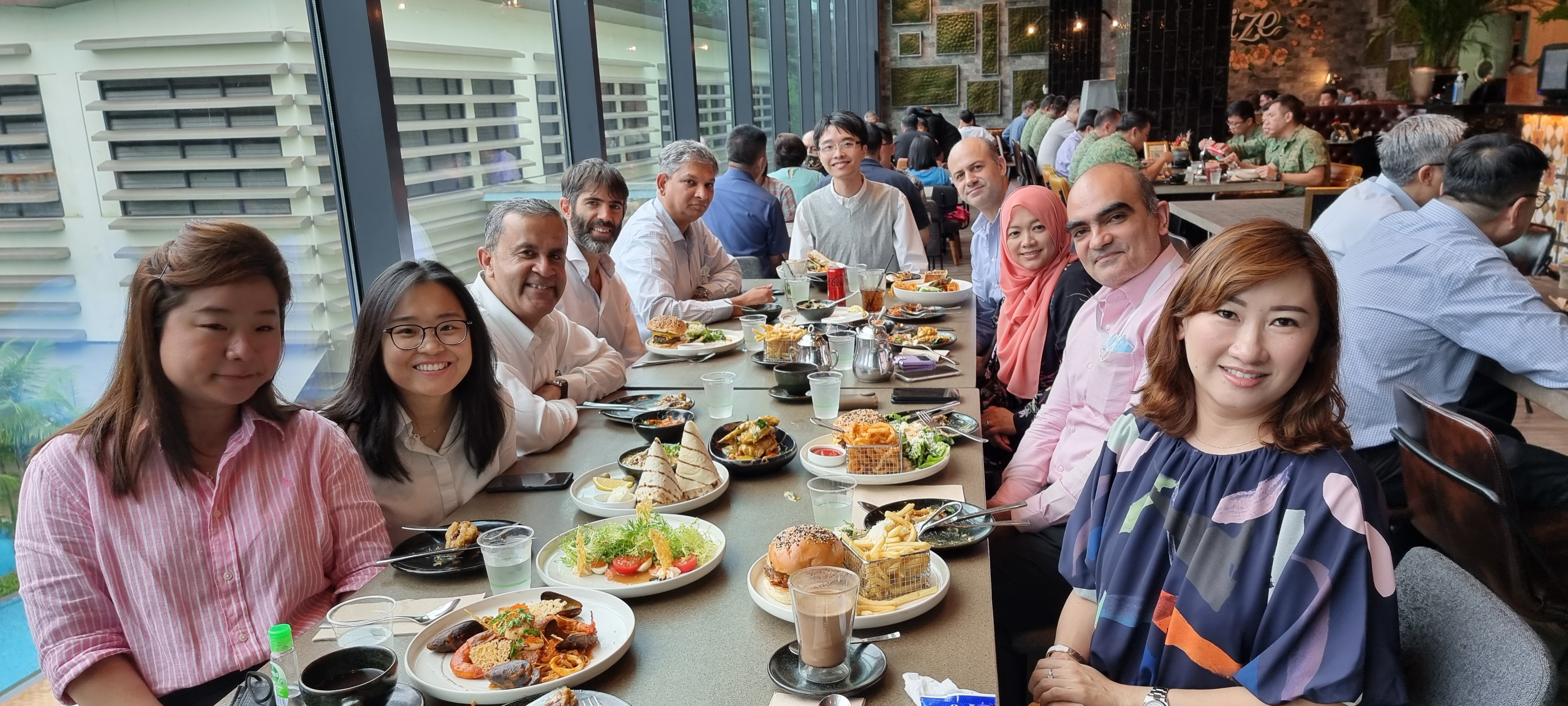
These are the words boldy visible when one steps into DNV‘s Singapore office. It is also at the forefront of nearly every presentation template in the company. It is also baked into the culture of the whole company. I previously wrote about trust and how the team I worked with operated with a lot of trust. After my second stint with DNV, where I had the opportunity to work with a largely renewed team, I can safely say with utmost confidence that while the people have changed, the culture hasn’t.
During my first stint, starting in December 2020, the team was starting to undergo a renewal. The old guard was leaving – some retiring, others taking up exciting new opportunities within the company – and the new guard was just entering one by one. The first of the new guard had just joined a month before I started.
I strongly believe that my line manager and the Area Business Development Director, Tony, took exceptional care to bring in people who would fit the team and the wider company culture. I do not mean people who are agreeable and would not raise objections or yes-men. Instead, it was people with different ways of thinking, background, character. But they all had one thing in common – the willingness to be a team player and the desire to perform both individually and as a team, along with the desire to keep improving and to help others improve.
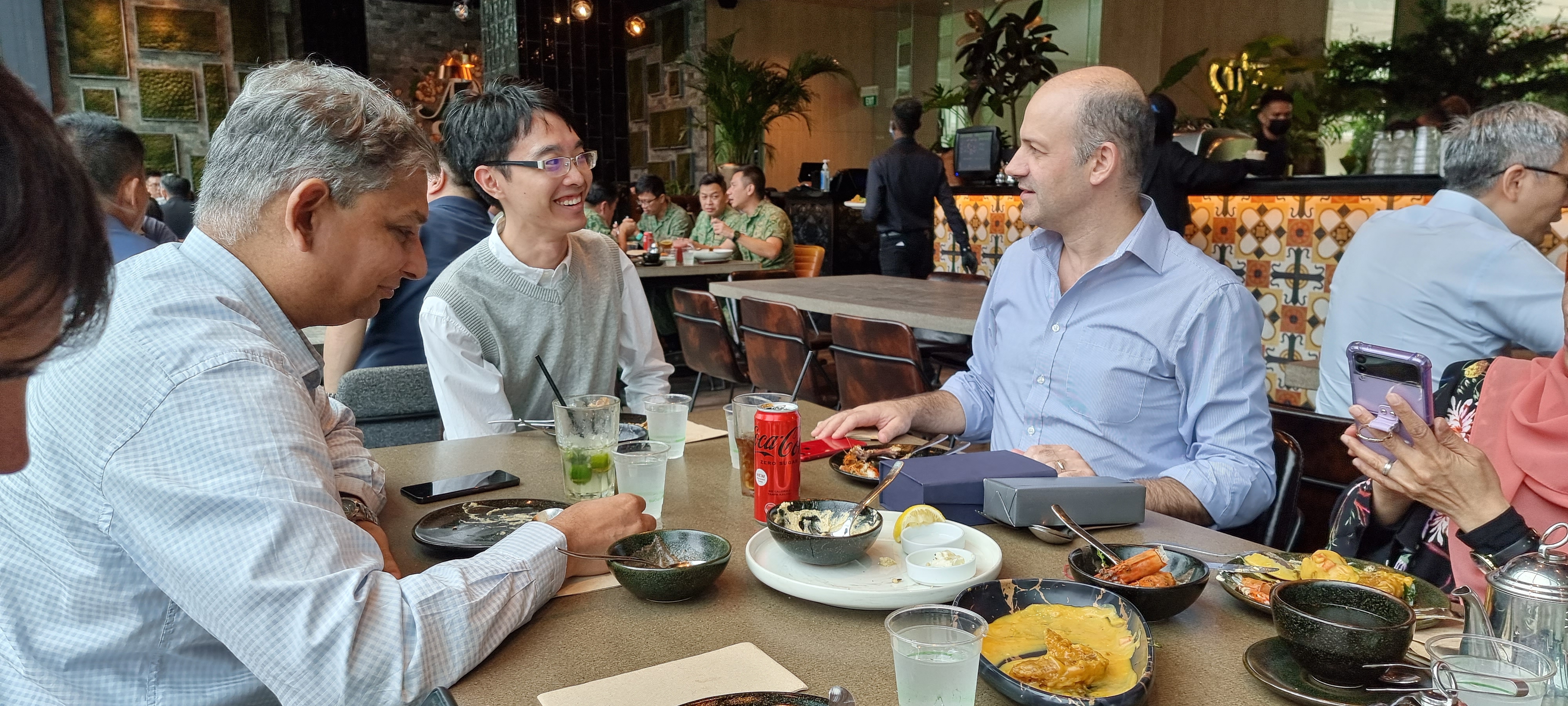
One may think that in Business Development, the environment would be incredibly cutthroat and that every account manager would be competing against each other to get the best performance. It just isn’t the culture. The account managers help each other out, freely giving advice and assistance to those who ask without the slightest hesitation. There wasn’t competition within the team because they knew they were all in the same boat (pun intended?) and that it was more productive to have everyone performing at their best.
There was a conversation where the higher ups were the topic of discussion. In it, there were lots of praises going around about how the superiors always had their backs when it mattered, helping them fight battles that were sure to be lost but doing it anyway simply because they trusted those below them and knew it was a battle worth fighting. They weren’t concerned about how they would be perceived or having a perfect “win” rate. This gives those under the leaders at DNV the confidence to take risks or come out with bold ideas, that may or may not work but was still worth trying. This confidence and willingness to try can only help the team and the company advance. Because there is trust.
Author and speaker Simon Sinek has an anecdote he likes to use to teach about trusting the people you work with and creating the right environment. He once stayed at a Four Seasons hotel where he felt the staff were genuinely happy and welcoming, that they were sincere and not at all faking it because they were forced to act a certain way. Simon talks to a bartender, Noah, who loved his job and found out that he was also working at Caesars Palace but was just there to collect a salary.
At the Four Seasons, Noah said the managers were concerned about his well-being and providing an environment where he could thrive and be himself without fear of making mistakes. They would ask him how he was and what they could do the help him do his job better. This openness flowed into his job performance where he has no reservations about being himself and being genuinely happy to serve his customers.
At Caesars Palace, Noah’s managers were concerned about catching mistakes and reprimanding, creating a stuffy and pressured environment where he constantly felt like he was being watched. In time, he grew to keep his head down and never go the extra mile, to just get through the day and get his pay. All in fear of accidentally stepping out of some arbitrary line.
Simon would end of the anecdote by saying: “If we create the right environment, we get people like Noah at the Four Seasons. If we create the wrong environment, we get people like Noah at Caesars Palace. Same person, vastly different performance.”
From what I’ve seen, the leaders at DNV understands this and it flows throughout the organisation. One personal anecdote, an intern had just joined for a few weeks, still very green and learning the ropes. A manager had a quick chat with her, checking in on her, making sure she’s taken care of. She admitted that she was still a little lost. The manager told her not to worry, that once the month was over and things had settled down after all the events that were going on that month, they would have a sit down and talk about the support she needs and guide her accordingly. There wasn’t any judgement about why she wasn’t picking things up fast or doubts about her capability, only the willingness to make sure she has the help she needs to excel at her job and to help her learn as much as she can during her internship.
Whenever a mistake is made, the immediate action isn’t to find fault and mete out punishment. It is to rectify the mistake and to find ways to ensure that similar mistakes won’t happen or at least have its impact mitigated in the future. This fosters an environment where people are more willing to learn because they are far less afraid of making mistakes. They trust those above to know that they are human and things do go wrong sometimes, and with that trust, they are more willing to take responsibility for their actions and pass on that trust to those around them. Those above trust those under their charge to be responsible and to perform, and should there be a mistake, that it would be taken care of somehow.
I firmly believe that this is the key to creating a successful and sustainable company that would last.
It has been an incredible pleasure to work with the people in DNV and I sincerely hope that our paths would cross again in the future, no matter the capacity.